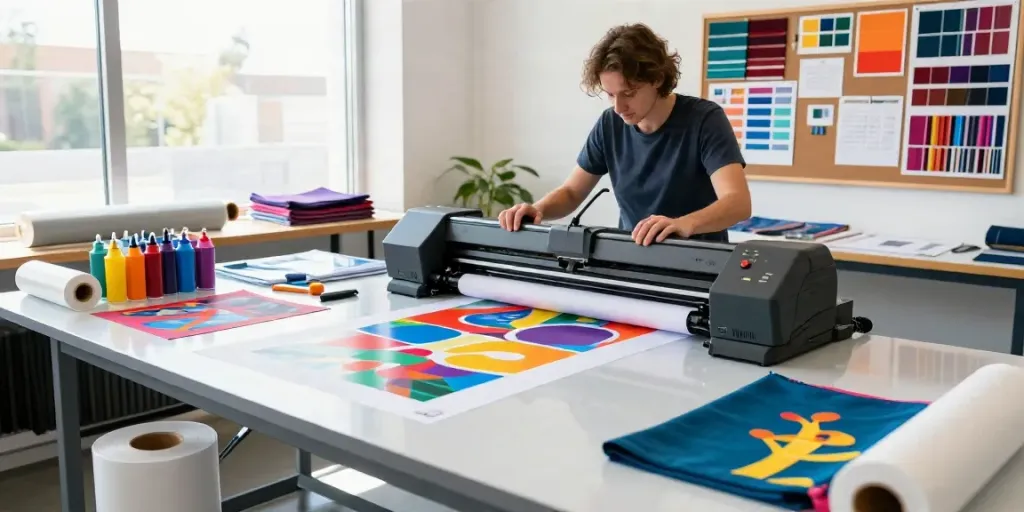
Understanding DTF Printing Technology
In the ever-evolving world of textile printing, the Direct-to-Film (DTF) printing technology has emerged as a game-changer. Offering versatility and high-quality output, imprimante dtf france is at the forefront of this innovation, making it easier for businesses to expand their printing capabilities. DTF printing allows for stunning designs to be transferred onto various fabric types, combining the benefits of both digital and traditional printing methods.
What is DTF Printing?
DTF printing is a modern printing technique that enables users to print their designs onto a special film, which is then transferred onto fabric using heat and pressure. This technology utilizes DTF inks that adhere well to the film, ensuring vibrant colors and excellent detail. Once printed, the film is coated with a special powder adhesive, which helps to bond the design to the fabric during the transfer process.
How DTF Differs from DTG Printing
While both DTF (Direct-to-Film) and DTG (Direct-to-Garment) printing are revolutionary techniques in the textile printing industry, they do differ in several key aspects. DTF printing allows for greater versatility across fabric types, as it can be applied to a broader range, including synthetic blends, which are often challenging for DTG. Additionally, DTF prints are known for their durability and resistance to washing, making them an optimal choice for custom apparel that needs to withstand wear and tear.
Key Components of an Imprimante DTF France
A high-quality DTF printer is essential for achieving impressive results. Key components of these machines include precision inkjet technology, high-performance printheads (commonly Epson or similar), and proprietary software that facilitates seamless operation. Moreover, the printer's design enables effective ink circulation, minimizing clogs and ensuring consistent color output across multiple prints.
Advantages of DTF Printers
Versatility Across Fabric Types
One of the standout features of DTF printers is their ability to print on a multitude of fabrics. Unlike traditional printing methods, DTF technology allows for effective printing on materials like cotton, polyester, spandex, nylon, and blends thereof. This versatility makes DTF the ideal choice for businesses looking to create custom orders or indulge in varied product lines.
Cost-Effectiveness Compared to Other Printing Methods
DTF printing is not only versatile but also cost-effective. The initial investment in a quality DTF printer can be offset by the reduced costs of materials and the ability to produce high-quality prints quickly. Businesses can create custom designs without incurring excessive costs, making it an attractive alternative to more traditional methods, such as screen printing, which often requires more setup time and materials.
Quality and Durability of DTF Transfers
DTF prints are renowned for their quality and durability. The printing process ensures that the colors remain vibrant and the designs maintain their integrity even after multiple washes. The technique produces prints that are resistant to fading and cracking, making them ideal for custom apparel that sees regular use.
Choosing the Right Imprimante DTF
Factors to Consider When Buying
When selecting an imprimante DTF, consider several key factors to ensure you make the best choice for your printing needs. These factors include the print volume you intend to produce, the types of fabrics you plan to use, and the specific features that may enhance your printing process, such as print speed, resolution, and maintenance ease.
Top Models Available in France for 2026
As the DTF printing market in France grows, several models stand out for their performance and reliability. Notable mentions include the Procolored A4 and A3 models, which cater to both beginners and small workshops. These printers are configured with advanced ink circulation systems that ensure stable performance and vibrant color reproduction.
Comparative Analysis of DTF Printers
Understanding the differences between various DTF printers can help you make informed decisions. For instance, while some models are designed for high-speed production, others may focus on detailed, high-quality images. It’s essential to evaluate your specific needs and compare features like print head technology, maintenance requirements, and customer service support when making your choice.
Best Practices for DTF Printing
Maintenance and Care for Longevity
Proper maintenance is crucial for the longevity of your DTF printer. Regular cleaning of the print heads, ensuring proper ink circulation, and using high-quality materials will help maintain optimal performance. Additionally, following the manufacturer’s guidelines can prevent potential issues and extend the life of your printer.
Optimal Settings for Different Fabrics
Adjusting your printer settings based on the type of fabric being used can significantly impact the quality of the final print. For instance, using higher temperatures for polyester and lower temperatures for cotton can improve adhesion and color vibrancy. Experimenting with different settings can help you find the best combinations for your most common materials.
Common Challenges and Solutions in DTF Printing
DTF printing, while advantageous, can present challenges. Common issues include ink clogging, improper transfer adhesion, and inconsistent print quality. To address these, ensure regular maintenance, use high-quality inks and films, and carefully follow the transfer process instructions to achieve optimal results.
Future Trends in Textile Printing
Evolving Technologies and Innovations
The future of DTF printing is bright, with ongoing innovations poised to enhance efficiency and print quality. Improved ink formulations, better film technologies, and advancements in eco-friendly materials are trends that are set to shape the industry. Businesses that stay ahead of these trends will be well-positioned to meet customer demands and stay competitive.
Consumer Expectations and Market Developments
As consumer preferences evolve, there is a growing demand for custom and personalized apparel. DTF printing meets these needs effectively, allowing businesses to offer unique designs while maintaining affordability and high quality. Keeping an eye on market developments will help brands align their offerings with consumer desires.
Preparing Your Business for 2026 and Beyond
For businesses looking to thrive in the future, understanding DTF technology and its integration into their operations is key. Investing in the right equipment, training staff on best practices, and staying informed about industry trends will provide a competitive edge as the market continues to grow and change.
What are the typical costs associated with an imprimante DTF?
The costs of acquiring an imprimante DTF can vary widely based on the model and features. Entry-level machines may be relatively affordable, but high-end models with advanced capabilities can require a significant investment. Additionally, ongoing costs for inks, films, and maintenance should also be considered to get a complete financial picture.
Where can I purchase DTF supplies in France?
Purchasing DTF supplies, such as inks, films, and adhesives, can be done through various suppliers both online and in physical stores. It's advisable to work with reputable vendors to ensure quality materials that will yield the best printing results.
What fabrics are best for DTF printing?
DTF printing is highly versatile, but it works exceptionally well on fabrics such as cotton, polyester, nylon, and blends. For optimal results, selecting fabrics that can withstand the heat and pressure of the transfer process is crucial.
How do I maintain my DTF printer?
Regular maintenance of your DTF printer includes cleaning the print head, monitoring ink levels, and ensuring proper ink circulation. Following the manufacturer's guidelines for maintenance will help prevent clogs and other issues that can affect print quality.
What are some common issues with DTF printing?
Common challenges in DTF printing include ink clogging, adhesion problems, and inconsistent print quality. By ensuring proper printer maintenance and selecting high-quality materials, many of these issues can be mitigated.